

Gastroparesis is a little-known digestive disorder where the stomach empties food too slowly. Experts explain symptoms, causes, diagnosis, and how new NIH-backed research is shaping future treatment.
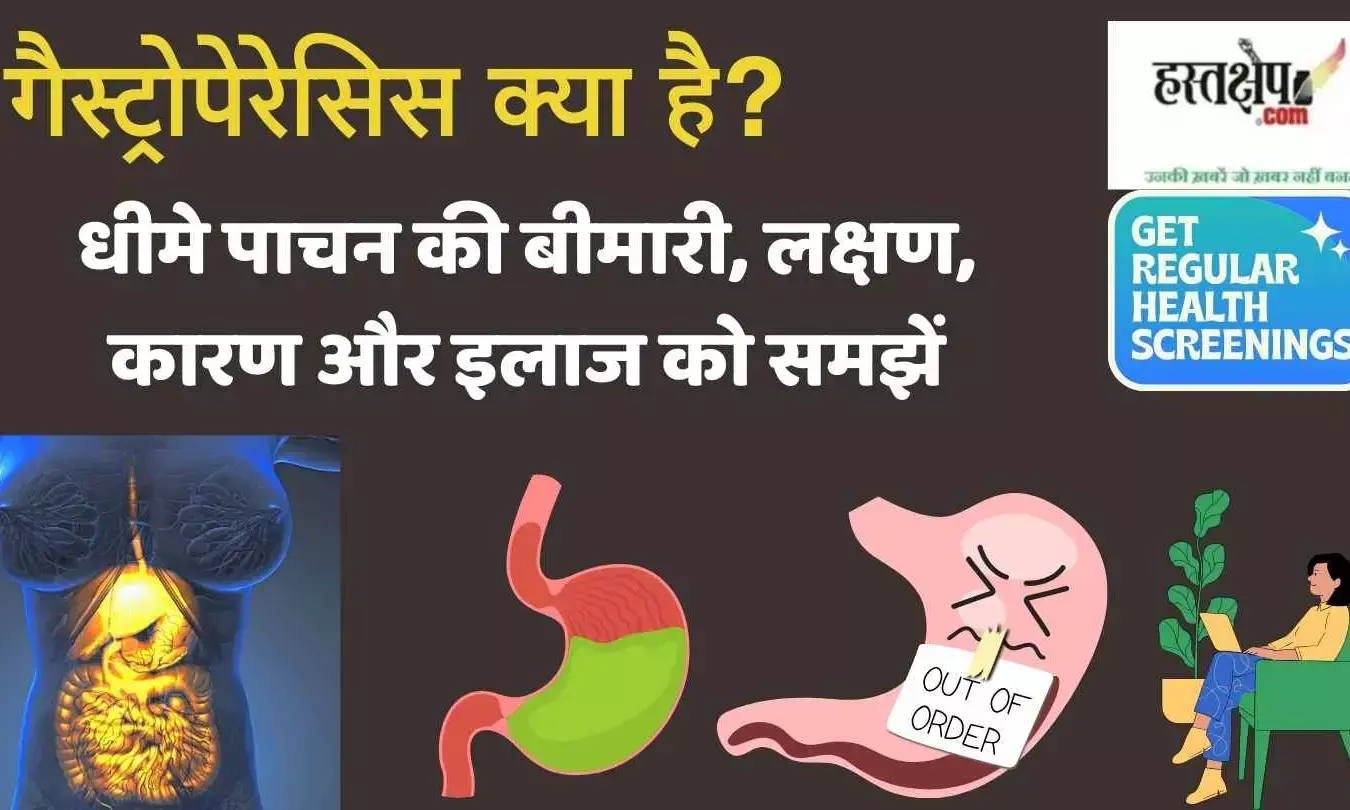
What Is Gastroparesis and Why Does Diagnosis Take Time
New Delhi, 16 December 2025. Gastroparesis is not a household term, yet its symptoms are familiar to many. From persistent nausea to feeling full after just a few bites, this condition quietly disrupts daily life. Though relatively uncommon, doctors estimate that nearly one in four people experience symptoms resembling gastroparesis at some point. Diagnosing it, however, is far from straightforward. Physicians must first rule out more obvious problems before turning to the only definitive test—measuring how fast the stomach empties. Now, researchers are uncovering how damaged nerves, chronic illness, and even the mind itself may play a role in this slow-moving disorder.
Gastroparesis is a condition where food empties more slowly from the stomach than it should. While it is not common, about 1 in 4 people experience symptoms similar to those with gastroparesis. The only definitive way to diagnose gastroparesis is by measuring the speed at which the stomach empties.
Known Causes: When Nerves Lose Their Rhythm
Dr Braden Kuo, chief of gastroenterology at Columbia University and New York Presbyterian, notes that patients typically present with symptoms rather than stating they have a gastric delay. These symptoms can include nausea, vomiting, feeling full quickly, and belly pain or discomfort. Before diagnosing gastroparesis, doctors must rule out other potential causes such as blockages, ulcers, or inflammation. If these other tests are negative and the patient still has complaints, gastroparesis becomes a possibility.
What NIH Research Is Revealing About Gastroparesis
Most cases of gastroparesis are idiopathic, meaning their causes are unknown. However, certain conditions can damage the nerves involved in gut sensations or motility. Uncontrolled diabetes is the most common cause, as high blood sugar can damage nerves, including the vagus nerve. The vagus nerve is responsible for sending signals between the brain and gut that control stomach muscle contractions and relaxation, and it also contributes to the feeling of fullness after a meal. Autoimmune diseases and nerve damage resulting from viral illnesses can also lead to slowed digestion. Dr Kuo explains that while most people recover from gastrointestinal upset after a viral illness, some never fully recover from symptoms like nausea, vomiting, pain, or discomfort, suggesting the virus may have altered nerve endings in the gut.
The Gut–Brain Connection and a New Direction in Treatment
To better understand and treat gastroparesis, the NIH established the Gastroparesis Clinical Research Consortium (GpCRC). For 17 years, the GpCRC has enrolled both adults and children with gastroparesis to study the disorder and test treatment methods. One GpCRC study revealed that 9 out of 10 people with gastroparesis experience abdominal pain, with about 1 in 3 reporting severe to very severe pain. Other studies have investigated the frequency of emergency room visits among gastroparesis patients.
Dr Kuo, a member of the consortium, mentions studies involving tissue samples of the entire stomach wall, which are helping researchers identify changes at the cellular, nerve ending, and inflammatory levels that contribute to the condition. Researchers are also tracking patients over time to observe how their symptoms evolve. Dr Kuo is specifically researching the role of the gut-brain connection and the potential effectiveness of cognitive behavioural therapy (CBT) in improving symptoms. This therapy aims to help patients understand their condition and its link to the brain, teach techniques to relax the vagus nerve, and assist patients in overcoming the fear of eating often associated with gastroparesis. This trial is currently enrolling patients, with the goal of providing patients with tools they can control to significantly impact their clinical outcome.
FAQs
What is gastroparesis, and how is it diagnosed?
Gastroparesis is a condition where food empties more slowly from the stomach than it should. It is not common, but about 1 in 4 people experience symptoms similar to those with gastroparesis.
To diagnose gastroparesis, doctors must first rule out other potential causes such as blockages, ulcers, or inflammation. If these other tests are negative and the patient continues to have complaints, gastroparesis becomes a possibility. The only definitive way to diagnose gastroparesis is by measuring the speed at which the stomach empties. Dr Braden Kuo notes that patients typically present with symptoms like nausea, vomiting, feeling full quickly, and belly pain or discomfort, rather than stating they have a gastric delay.
What are the known causes and contributing factors of gastroparesis?
Most cases of gastroparesis are idiopathic, meaning their causes are unknown. However, certain conditions can damage the nerves involved in gut sensations or motility, leading to gastroparesis.
The most common known cause is uncontrolled diabetes, as high blood sugar can damage nerves, including the vagus nerve. The vagus nerve is responsible for sending signals between the brain and gut that control stomach muscle contractions and relaxation, and it also contributes to the feeling of fullness after a meal.
Other contributing factors include certain autoimmune diseases and nerve damage resulting from viral illnesses. Dr Kuo explains that while most people recover from gastrointestinal upset after a viral illness, some never fully recover from symptoms like nausea, vomiting, pain, or discomfort, suggesting the virus may have altered nerve endings in the gut.
How is research, like that conducted by the GpCRC, helping to understand and treat gastroparesis?
Research conducted by the Gastroparesis Clinical Research Consortium (GpCRC) is helping to understand and treat gastroparesis in several ways. For 17 years, the GpCRC has enrolled adults and children with gastroparesis to learn more about the disorder and test treatment methods.
Specific contributions from GpCRC research include:
- Characterising symptoms: One GpCRC study revealed that 9 out of 10 people with gastroparesis experience abdominal pain, with about 1 in 3 reporting severe to very severe pain. Other studies have investigated the frequency of emergency room visits among gastroparesis patients.
- Investigating cellular and nerve changes: Dr Braden Kuo, a member of the consortium, mentions studies involving tissue samples of the entire stomach wall. These studies are helping researchers identify changes at the cellular level, in the nerve endings, and at the inflammatory level that contribute to the condition.
- Tracking symptom evolution: Researchers are tracking patients over time to observe how their symptoms change.
Exploring the gut-brain connection and new therapies: Dr Kuo is specifically researching the role of the gut-brain connection and the potential effectiveness of cognitive behavioural therapy (CBT) in improving symptoms. This therapy aims to help patients understand their condition and its link to the brain, teach techniques to relax the vagus nerve, and assist patients in overcoming the fear of eating often associated with gastroparesis. This trial is currently enrolling patients, with the goal of providing patients with tools they can control to significantly impact their clinical outcome.
(This news is published for general information purposes only. The information provided should not be considered medical advice. Always consult your doctor or a qualified healthcare professional before making any treatment, medication, supplement, or health-related decisions.)
Source: NIH News in Health: A monthly newsletter from the National Institutes of Health, part of the U.S. Department of Health and Human Services

